
A coffee that costs three euros in Milan or Munich will cost you around five francs in Zurich. A one-bedroom flat that would rent for nine hundred euros in Lisbon can costs approximately two thousand four hundred francs. The city has held a place near the top of nearly every global cost-of-living survey for years, and the numbers behind that reputation are worth understanding in detail rather than taking on faith.
This guide will break down Zurich Cost of Living Prices across the different categories like hotels, restaurants, transportation, shopping, and salaries. You will also get to know the comparison against Geneva, Basel, and Bern, so you may have some clarity.
There are three major forces behind the price tags, and they reinforce one another.
The first is housing scarcity. Zurich's population has grown steadily while construction has not kept pace, particularly within the city limits. Demand outstrips supply on almost every listing, and landlords price accordingly.
The second is currency strength paired with high wages. The Swiss franc has held its value against the euro and the dollar for years, and salaries have risen to match. Businesses set prices around what residents can afford, and that pushes even modest, everyday purchases like a haircut or a liter of milk.
The third is trade policy. Switzerland is outside the European Union, so imported goods carry additional tariffs and logistics costs. Domestic agriculture is protected under strict welfare regulations, which keeps meat and dairy prices considerably higher than in Germany, France, or Italy.
When together, these forces describe a city built around a high-cost, high-income equilibrium. For residents earning Swiss salaries, the system works. For visitors converting from a weaker currency, or newcomers arriving on a foreign salary, the early weeks can feel like a low-grade shock.
Accommodation is typically the largest single expense for anyone visiting, and Zurich Hotel Costs track the city's broader price level closely.
| Category | Price per Night (CHF) |
|---|---|
| Hostel Dorm Bed | 35–65 |
| Budget Hotel | 100–180 |
| 3-Star Hotel | 180–280 |
| 4-Star Hotel | 280–450 |
| 5-Star / Luxury | 500–900+ |
Locations have a huge impact on numbers. Rooms near the Hauptbahnhof and Bahnhofstrasse are at the top of each bracket, while properties in Oerlikon, Wiedikon, or the far side of the lake are twenty to thirty percent cheaper. Prices climb sharply through summer and again around the Christmas markets in December; January, February, and November have the lowest prices. Booking two to three months out in the mid-range tier tends to remove a noticeable amount off the nightly rate.
For those specifically hunting Budget Hotels in Zurich, the airport corridor and the Altstetten district are worth a closer look. Rooms cost less, and the S-Bahn puts the city centre within fifteen minutes.
Dining out is where the Zurich cost of living becomes most immediately felt, meal by meal.
A casual lunch menu may cost between twenty-two and thirty francs. A fast-food combo meal costs seventeen to twenty francs. Dinner for two at a mid-range restaurant, wine included is somewhere between one hundred and one hundred fifty francs, and a simple half-litre of beer at a restaurant table costs seven to nine francs.
Cooking at home changes the picture. A single person spends roughly four hundred fifty to six hundred fifty francs a month on groceries, which is far less than a person spending over eight hundred eating outside regularly. Migros and Coop dominate the retail landscape, but budget-conscious residents lean on Aldi Suisse and Lidl, where prices are fifteen to twenty percent lower. It is also common for locals to cross into Germany for bulk shopping trips, which explains why so many Zurich apartments seem to have an extra freezer.
Public transport in Zurich is efficient. But it is not cheap. A single ride costs four francs forty. A monthly ZVV pass covering the city zones runs eighty-eight francs. The Zurich Card, valid for twenty-four or forty-eight hours and covering transit plus museum entry, costs between twenty-seven and fifty-three francs. Local Taxis start at eight francs and add roughly four francs per kilometer.
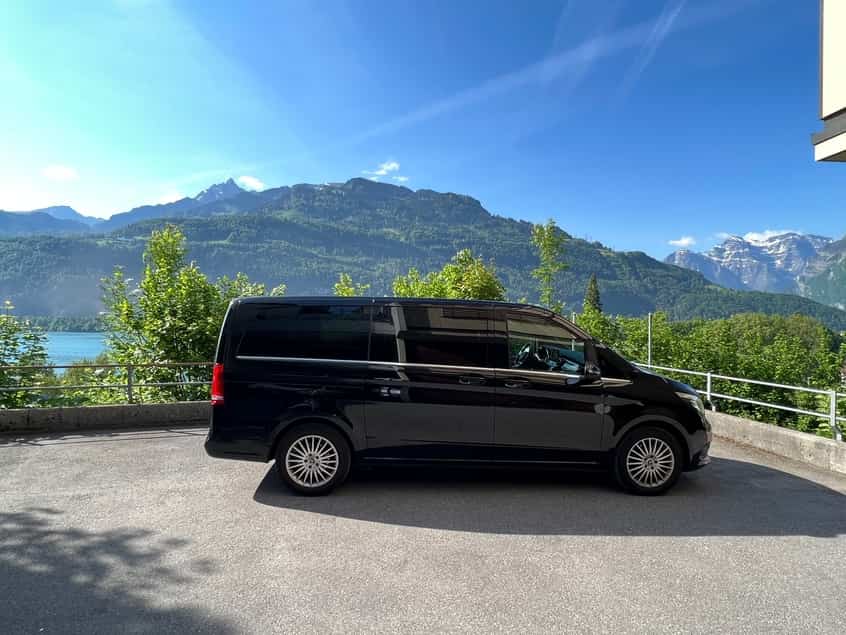
For day-to-day movement around the city, trams and trains are hard to beat. But for the moments that actually matter, for example, landing after a long-haul flight, moving between meetings on a tight schedule, or arriving with luggage, children, or colleagues in tow, the calculations change. Dragging bags through the Hauptbahnhof or queuing for a taxi rank rarely feels worth the modest saving, and it is exactly where a private Zurich airport transfer earns its cost back. A service like Grandlane Transfer offers a fixed fare, a chauffeur waiting at arrivals, and door-to-door travel from Zurich, Geneva, Basel, or Bern airports, with no surprise surcharges and a free 40-minute waiting time built in. For business travelers and families alike, that predictability is worth more than the francs it costs over public transport.
Owning a car, meanwhile, rarely makes financial sense in Zurich unless regular trips outside the city are part of daily life. Parking, insurance, and fuel accumulate fast, and the tram and rail network reaches nearly everywhere worth going day to day. The more practical combination for most residents and visitors is public transport for routine movement around the city, paired with a Private chauffeur service for airport transfers and anything time-sensitive
Bahnhofstrasse ranks among the most expensive retail streets in the world, and pricing across the rest of the city follows its lead. Clothing, electronics, and personal care items generally cost thirty to fifty percent more than the equivalent purchase in Germany or France. A pair of mid-range jeans runs ninety to one hundred thirty francs. A basic haircut starts around sixty francs for men and ninety to one hundred twenty for women. Even ordinary household goods and toiletries carry a visible markup, which is one of the quieter reasons cross-border shopping trips remain so popular among residents.
The median net salary after tax sits around six thousand four hundred to six thousand seven hundred francs a month. A comfortable single lifestyle typically calls for a gross salary of eighty thousand to one hundred thousand francs a year, while a family of four generally needs a household income between one hundred thirty thousand and one hundred sixty thousand francs.
Switzerland Expensive throughout, but not evenly so. The table below shows monthly budgets for a single person, all costs included, across the four major cities.
| City | Monthly Budget (Single Person) | 1-Bed Rent (City Centre) |
|---|---|---|
| Zurich | CHF 3,500–5,200+ | CHF 2,400–2,800 |
| Geneva | CHF 3,600–5,400+ | CHF 2,200–2,700 |
| Basel | CHF 3,000–3,300 | CHF 1,800 |
| Bern | CHF 2,900–3,200 | CHF 1,600 |
For anyone weighing where to settle, the pattern is fairly clear. Zurich and Geneva reward high earners in finance, technology, and pharma, and the cost reflects that. Basel and Bern offer a noticeably softer cost of living without asking much of a trade-off in quality of life, transport, or safety.
A few adjustments make a meaningful difference over a month in your Zurich cost of living. Living just outside the centre like in Oerlikon, Altstetten, or across the lake, is the single biggest lever available. Shopping at Aldi Suisse, Lidl, or Denner rather than Coop or Migros for everyday groceries is the second. Visitors, in particular, benefit from Booking well outside the peak summer and December windows and from considering hotels near the airport or in Oerlikon rather than the centre.
| Street address | |||
| City | |||
| State | Zip code | ||
| Country | |||
| Street address | |||
| City | |||
| State | Zip code | ||
| Country | |||
| Street address | |||
| City | |||
| State | Zip code | ||
| Country | |||